



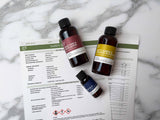


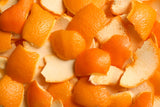


Explore the materials, notes, and aroma molecules that shape fragrance. This glossary breaks down how each one smells, where it comes from, and how it is used to create a finished scent.
Fragrance Notes
Learn the scent profile behind familiar fragrance notes, from citrus and florals to woods and gourmands.
Explore Fragrance Notes ›Natural Ingredients
Discover essential oils, absolutes, extracts, resins, and other aromatic materials derived from natural sources.
Explore Natural Ingredients ›Synthetic Ingredients
Explore the aroma molecules used to add character, diffusion, complexity, and lasting power to fragrance.
Explore Synthetic Ingredients ›Fragrance Notes
Learn the scent profile behind familiar fragrance notes, from fresh citrus and florals to woods, spices, fruits, and gourmands. Each entry explains the aroma and offers helpful context about how the note appears in perfumery.
A
Agave: Crisp, green, watery, and lightly sweet. In fragrance, agave is generally an imaginative accord inspired by succulent leaves and nectar rather than a commonly extracted perfume material.
Aldehydes: Sparkling, airy, clean, and sometimes waxy. from citrusy and floral to metallic, soapy, or starchy.
Almond: Sweet, nutty, marzipan-like, and slightly bitter. Almond notes often recall amaretto, almond paste, or freshly cracked kernels.
Aloe Leaf: Watery, green, cooling, and clean. Aloe leaf is typically a fresh botanical accord that suggests crisp plant sap and soothing moisture.
Amber: Warm, sweet, resinous, and balsamic. Perfumery amber is traditionally an accord built around materials such as labdanum, benzoin, and vanilla—not the fossilized resin used in jewelry.
Anise: Sweet, spicy, herbal, and licorice-like. Its distinctive aroma brings cool sweetness and aromatic depth to gourmand, herbal, and woody fragrances.
Apple: Crisp, juicy, sweet, and lightly green. Apple notes are usually constructed accords that can evoke anything from tart green apples to honeyed orchard fruit.
Apricot Blossom: Soft, floral, nectarous, and delicately fruity. It offers a lighter, more petal-like interpretation of apricot than the ripe fruit itself.
Aquatic: Watery, airy, cool, and marine. Aquatic accords are designed to suggest water, mist, rain, or ocean air rather than the aroma of water itself.
B
Banana: Creamy, ripe, tropical, and candy-like. Banana can range from fresh and fruity to rich, custardy, and dessert-inspired.
Banana Leaf: Green, leafy, humid, and subtly fruity. It adds tropical vegetation and freshness without the full sweetness of ripe banana.
Basil: Aromatic, green, peppery, and slightly anise-like. Basil brings a freshly crushed herbal character to citrus, fruit, and garden-inspired fragrances.
Beach Grass: Dry, green, salty, and hay-like. This coastal accord suggests sun-bleached grasses moving in ocean air.
Benzoin: Warm, resinous, balsamic, and vanilla-like. Benzoin is an aromatic resin from Styrax trees and is valued for the smooth sweetness and depth it gives fragrance bases.
Bergamot: Bright, citrusy, floral, and slightly bitter. Expressed from the peel of the bergamot orange, it is a defining note in classic eau de cologne compositions.
Berry: Juicy, sweet-tart, bright, and jammy. Berry is a broad fragrance category that may combine impressions of raspberry, strawberry, blackberry, currant, and other fruits.
Blackberry: Dark, juicy, sweet-tart, and slightly green. Blackberry notes often include a brambly or leafy edge that balances the fruit’s rich sweetness.
Bourbon: Warm, oaky, vanilla-rich, and boozy. Bourbon accords commonly echo the caramel, spice, charred wood, and vanilla tones associated with barrel aging.
Brown Butter: Nutty, toasted, creamy, and caramelized. This gourmand accord recreates the rich aroma that develops as the milk solids in butter begin to brown.
Brown Sugar: Rich, molasses-like, caramelized, and warmly sweet. It smells darker and more syrupy than a clean white-sugar note.
Butter: Rich, creamy, lactonic, and slightly salty. Butter is generally created as a gourmand accord that adds fullness to bakery and confectionery fragrances.
Buttercream: Fluffy, buttery, sugary, and vanilla-rich. It evokes whipped frosting and gives gourmand scents a soft, dessert-like finish.
Butterscotch: Buttery, caramelized, brown-sugar sweet, and warm. Inspired by the classic confection, it combines creamy butter with deep cooked-sugar tones.
C
Cacao: Dark, roasted, earthy, and bittersweet. Cacao generally smells drier and less sugary than a finished milk-chocolate accord.
Cane Sugar: Clean, crystalline, lightly caramelized, and sweet. This note focuses on the refined sweetness produced from sugarcane.
Caramel: Warm, buttery, toasted, and sugary. Caramel accords can range from soft and creamy to dark, smoky, or nearly burnt.
Caramelized Fig: Jammy, honeyed, dark-fruity, and toasted. This gourmand interpretation deepens fig with cooked sugar and gently browned fruit.
Caramelized Sugar: Burnt-sweet, toasted, rich, and slightly smoky. It captures the deeper aroma that appears when sugar is heated and browned.
Cardamom: Aromatic, cool-spicy, citrusy, and lightly woody. Cardamom can brighten creamy gourmands while adding freshness to floral and woody fragrances.
Cashmere: Soft, warm, musky, and woody. Cashmere is a textile-inspired accord often created with smooth woods, musks, amber, and materials with a velvety Cashmeran-like character.
Cashmere Musk: Powdery, creamy, skin-like, and softly warm. It combines clean musk with a plush woody texture designed to feel enveloping and tactile.
Cassis: Tart, leafy, fruity, musky, and slightly animalic. Cassis is the French word for blackcurrant and may reference the fruit or the distinctively green aroma of its buds and leaves.
Cedarwood: Dry, aromatic, resinous, and grounding. Cedarwood oils can come from several tree species, each offering slightly different woody, smoky, or balsamic facets.
Cherry: Juicy, sweet-tart, almond-like, and sometimes liqueur-like. Cherry is usually a constructed accord that can range from bright red fruit to dark, syrupy amarena cherry.
Cherry Blossom: Sheer, airy, delicately floral, and lightly fruity. Because the blossoms themselves have a subtle aroma, fragrance interpretations often emphasize translucent petals and spring freshness.
Chili Pepper: Hot, dry, green, and subtly smoky. Chili pepper accords introduce the impression of heat and create a vivid contrast with tropical fruit, citrus, chocolate, or amber.
Cinnamon: Warm, sweet, woody, and spicy. Cinnamon can smell smooth and bakery-like or dry, fiery, and bark-like depending on the composition.
Citron Peel: Sharp, lemony, bitter, and intensely zesty. It emphasizes the aromatic oils and pithy freshness of citron’s thick rind.
Citrus: Bright, zesty, fresh, and uplifting. This broad family includes fruits such as lemon, lime, orange, bergamot, grapefruit, mandarin, and citron.
Clementine: Juicy, sweet, soft, and lightly floral. Clementine has a rounded citrus character with less bitterness than many orange-peel notes.
Clove: Warm, woody, sweet-spicy, and slightly medicinal. Its rich eugenol character adds depth to holiday, amber, floral, and gourmand fragrances.
Coconut: Creamy, tropical, milky, and nutty. Coconut can suggest sweet flesh and suntan lotion or move in a drier direction inspired by husk and wood.
Coconut Milk: Smooth, creamy, tropical, and softly sweet. It gives fruit, floral, and gourmand fragrances a rich lactonic texture.
Coconut Water: Watery, fresh, mineral-green, and lightly sweet. This note is clearer and more refreshing than a creamy coconut or coconut-milk accord.
Coffee: Roasted, dark, bitter, and aromatic. Coffee notes can include smoky beans, caramelized edges, earthy grounds, or creamy café nuances.
Cognac: Warm, fruity, oaky, ambered, and boozy. Inspired by aged grape brandy, cognac accords often combine dried fruit, wood, vanilla, and gentle spice.
Cookie Butter: Spiced, toasted, buttery, and brown-sugar sweet. It recalls caramelized biscuits blended into a smooth, warmly spiced spread.
Cranberry: Tart, crisp, red-fruity, and lightly green. Its sharp acidity brings brightness to sweeter berry, apple, and holiday fragrances.
Cream: Soft, milky, smooth, and lightly sweet. Cream accords round out sharp fruit, coffee, vanilla, and bakery notes with a plush lactonic quality.
Creamy Butter: Rich, smooth, lactonic, and savory-sweet. It emphasizes the melted, rounded side of butter rather than its toasted or browned facets.
Crushed Cinnamon: Dry, warm, woody, and freshly spicy. This interpretation feels more textured and aromatic than a smooth cinnamon-sugar accord.
Cucumber: Watery, crisp, cool, and green. Cucumber adds a clean spa-like freshness to aquatic, herbal, floral, and fruit fragrances.
Currant: Tart, juicy, dark-fruity, and slightly green. When the color is unspecified, currant may suggest a broad blend of red and black currant qualities.
D
Date Syrup: Dense, caramel-like, dried-fruity, and molasses-rich. It evokes cooked dates and brings dark, nectarous sweetness to gourmand fragrances.
Dewy Greens: Watery, leafy, crisp, and fresh. This accord recreates the impression of tender stems and foliage covered in morning moisture.
E
Effervescence: Sparkling, fizzy, bright, and airy. Effervescent effects are often created with citrus, aldehydic, mineral, or tart-fruit notes that suggest bubbles rising through a drink.
Espresso Coffee: Intensely roasted, bitter, dark, and slightly smoky. It is a more concentrated and robust interpretation of coffee, often paired with cream, caramel, or spice.
Evergreen: Resinous, green, woody, and forest-fresh. Evergreen is a broad category that may incorporate impressions of fir, pine, spruce, cedar, and balsam.
F
Fig: Jammy, green, milky, and honeyed. Fig fragrances may portray the ripe fruit, leafy canopy, milky sap, bark, or the entire tree.
Fir Balsam: Sweetly resinous, piney, woody, and warm. Fir balsam combines fresh conifer needles with a deeper, sticky balsamic richness.
Fir Needle: Crisp, green, coniferous, and camphoraceous. It captures the sharper freshness of crushed fir needles rather than the tree’s warmer resin.
Floral: Petal-like, fragrant, soft, or heady. Floral is one of fragrance’s broadest categories and may include anything from sheer blossoms to rich white-floral bouquets.
Freesia: Airy, clean, peppery, and lightly citrus-floral. Freesia is usually recreated as an accord that emphasizes the flower’s fresh, translucent quality.
Fresh: Clean, airy, bright, and crisp. Fresh is an umbrella description that can encompass citrus, aquatic, green, herbal, ozonic, and lightly floral notes.
Fruit: Juicy, ripe, sweet, and tart. Fruit accords may be bright and freshly picked, dark and jammy, tropical, candied, or cooked.
G
Gardenia: Creamy, lush, green, and heady. Gardenia is commonly recreated through an accord designed to capture the richness of its fragrant white petals.
Ginger: Zingy, bright, citrusy, and warmly spicy. The aromatic rhizome adds lift to woods, vanilla, citrus, tea, and white-floral compositions.
Grapefruit: Tart, bitter, sparkling, and juicy. Grapefruit brings a sharper, more bracing citrus character than sweet orange or mandarin.
Green: Leafy, crisp, sappy, and vegetal. Green notes suggest crushed stems, new leaves, plant sap, herbs, or freshly cut vegetation.
Green Tea: Delicate, leafy, fresh, and gently bitter. It adds a clean, calming botanical character without the earthy density of darker teas.
Green Vine: Leafy, sappy, earthy, and subtly fruity. This accord evokes climbing vines, curling tendrils, and freshly broken green stems.
Guava: Tropical, musky, sweet-tart, and slightly green. Guava adds an exotic fruitiness that is less sugary and more aromatic than many tropical-fruit notes.
H
Hazelnut: Roasted, creamy, warm, and nutty. Hazelnut works naturally with chocolate, coffee, praline, pastry, vanilla, and woody notes.
Herbal: Aromatic, green, earthy, and sometimes camphoraceous. Herbal accords may draw from basil, rosemary, lavender, mint, sage, thyme, and other fragrant leaves.
Honey: Golden, nectarous, floral, and syrupy. Honey can smell delicately sweet or take on deeper waxy, musky, and almost animalic facets.
I
Iris: Powdery, cool, earthy, and violet-like. In traditional perfumery, the prized iris material is orris, produced from rhizomes that develop their aroma as they age.
Ivy: Cool, leafy, damp, and slightly woody. Ivy is generally an imaginative green accord inspired by shaded foliage and climbing vines.
J
Jasmine: Rich, sweet, green, and deeply floral. Jasmine can range from luminous and airy to creamy, indolic, and intensely sensual.
K
Kalamata Olive: Savory-green, fruity, briny, and woody. This unusual accord is inspired by ripe olives and Mediterranean groves rather than a conventional perfume extract.
L
Lavender: Aromatic, herbal, floral, and camphoraceous. Distilled from the flowering tops of the plant, lavender is a foundation of fougère, herbal, fresh, and calming fragrance styles.
Leather: Dry, smoky, warm, and animalic. Leather is an accord traditionally constructed from combinations of woods, florals, resins, spices, and smoky or tar-like materials.
Lemon: Bright, tart, zesty, and clean. Lemon-peel oil brings immediate freshness but is often supported by longer-lasting citrus materials.
Lily: Fresh, green, watery, and softly spicy. Lily accords vary by species but generally emphasize luminous petals and cool floral freshness.
Lime: Sharp, tart, green, and juicy. Lime adds a brisk, mouthwatering quality to citrus, tropical, herbal, and cocktail-inspired fragrances.
Lotus Flower: Watery, airy, clean, and lightly green. Lotus is typically interpreted as a transparent floral accord with a serene aquatic quality.
Lychee: Juicy, rosy, tropical, and sweet-tart. Its naturally floral fruit character blends especially well with rose, peony, berries, and fresh citrus.
M
Magnolia: Creamy, citrus-floral, fresh, and slightly green. Magnolia can bridge sparkling citrus notes with richer white florals while remaining smooth and luminous.
Mandarin: Juicy, sweet, soft, and lightly green. Mandarin has a rounder and gentler citrus profile than lemon, lime, or grapefruit.
Mandarin Zest: Bright, oily, sparkling, and bittersweet. This note focuses on the aromatic outer peel rather than the fruit’s sweet juice.
Mango: Lush, juicy, tropical, and resinous-green. Mango can range from fresh and tangy to syrupy, nectarous, and fully ripe.
Maple: Woody-sweet, warm, ambered, and subtly smoky. Maple may suggest tree sap, polished wood, or a restrained hint of maple syrup.
Maple Sugar: Crystalline, caramelized, warm, and woody-sweet. It is drier and more granular than a thick maple-syrup accord.
Maple Syrup: Syrupy, dark-sweet, caramelized, and woody. This gourmand note brings a rich breakfast-like sweetness with toasted undertones.
Matcha: Grassy, earthy, creamy, and gently bitter. Inspired by powdered green tea, matcha adds more body and vegetal depth than a sheer green-tea note.
Mediterranean Fig: Green, milky, woody, and sun-warmed. It typically portrays the entire fig tree—ripe fruit, broad leaves, pale sap, bark, and dry surrounding air.
Melon: Watery, juicy, sweet, and fresh. Melon accords may resemble honeydew, cantaloupe, or a general impression of cool, freshly cut fruit.
Meringue: Airy, sugary, vanilla-like, and lightly toasted. This gourmand accord recalls whipped sugar with a crisp shell and soft center.
Mint: Cool, crisp, herbal, and mentholated. Mint can create an icy effect or simply add a clean aromatic lift, depending on how prominently it is used.
Mistletoe Greens: Crisp, leafy, forest-like, and lightly woody. This seasonal accord suggests freshly gathered holiday greenery rather than a distinct extracted mistletoe aroma.
Monoi: Creamy, tropical, coconut-rich, and white-floral. Traditional monoi is made by infusing fragrant Tahitian tiare flowers in coconut oil.
Moonflower: Dewy, creamy, nocturnal, and softly sweet. Moonflower is generally a fantasy accord inspired by fragrant white blossoms that open after sunset.
Moss: Damp, earthy, woody, and deep green. Moss notes create the impression of shaded forest floors, weathered bark, and cool woodland air.
Muguet: Fresh, green, sweet, and lightly lemony. Muguet is the French name for lily of the valley, a delicate flower whose scent is traditionally recreated with an accord.
Muscadine Grape: Juicy, dark, musky, and wine-like. Native to the southeastern United States, muscadine grapes have a distinctive earthy fruitiness and thick, aromatic skins.
Musk: Soft, warm, skin-like, powdery, or clean. Musk describes a broad family of fragrance materials used to add diffusion, smoothness, intimacy, and lasting warmth.
N
Neroli: Luminous, citrusy, green, and white-floral. Neroli oil is steam-distilled from the blossoms of the bitter orange tree.
Nut: Roasted, creamy, woody, and subtly sweet. Nut accords may suggest almond, hazelnut, pistachio, walnut, pecan, or an imaginative blend of several varieties.
O
Oat Milk: Creamy, cereal-like, soft, and lightly sweet. This modern gourmand accord adds a smooth grain quality without the richness of dairy cream.
Orange: Juicy, sweet, sunny, and brightly citrusy. Orange notes may focus on fresh juice, aromatic peel, or the softer sweetness of the whole fruit.
Orange Blossom: Nectarous, citrusy, warm, and white-floral. Orange blossom absolute and neroli come from the same blossoms but are produced differently and have distinct scent profiles.
Osmanthus: Apricot-like, floral, leathery, and tea-like. The tiny blossoms are prized for their unusual combination of delicate petals, ripe stone fruit, and soft suede-like depth.
Oud: Dark, resinous, smoky, and animalic. Natural oud develops in the fragrant resin-saturated heartwood of Aquilaria trees and is one of perfumery’s most complex woody materials.
Ozone: Airy, metallic, watery, and clean. Ozonic accords use modern aroma materials to evoke open skies, cool wind, storm air, or the freshness surrounding water.
P
Paperwhites: Green, earthy, narcotic, and richly floral. Paperwhites are members of the narcissus family and are known for a surprisingly powerful fragrance from their small white blooms.
Passion Flower: Tropical, green, nectarous, and softly floral. Passion flower is usually an imaginative accord inspired by the plant’s elaborate blossoms and climbing vines.
Pastry: Buttery, flaky, toasted, and vanilla-like. This gourmand accord may suggest croissants, pie crust, puff pastry, or warm baked dough.
Patchouli: Earthy, woody, herbal, and camphoraceous. Distilled from leaves, patchouli can smell dark and damp when fresh or smoother, richer, and more polished as it ages.
Peach: Velvety, juicy, nectarous, and creamy. Peach accords often use lactonic materials to recreate the soft, fuzzy texture associated with ripe fruit.
Pear: Crisp, watery, sweet, and lightly floral. Pear brings a delicate orchard freshness that is softer and less tart than apple.
Pepper: Dry, sharp, woody, and sparkling. Pepper notes add energy and contrast without necessarily making a fragrance smell culinary.
Persimmon: Honeyed, soft, fruity, and apricot-like. Ripe persimmon offers a mellow sweetness balanced by a faintly green or tannic edge.
Petitgrain: Green, citrusy, bitter, and floral. Petitigrain is derived from bitter-orange leaves and twigs.
Pineapple: Juicy, tangy, sparkling, and tropical. Pineapple gives fragrances a mouthwatering balance of sharp acidity and ripe golden sweetness.
Pink Pepper: Rosy, bright, fruity, and gently spicy. Pink peppercorns are aromatic berries from Schinus trees rather than true black-pepper plants.
Pistachio: Creamy, green, toasted, and subtly sweet. Pistachio accords can smell freshly shelled, roasted and nutty, or blended into a rich dessert cream.
Plum: Rich, juicy, dark-fruity, and wine-like. Plum works especially well in autumnal, amber, floral, and gourmand fragrances because of its naturally deep sweetness.
Pomegranate: Tart-sweet, juicy, ruby-toned, and lightly tannic. It creates a crisp red-fruit effect that is less jammy than many berry notes.
Praline: Caramelized, nutty, creamy, and confectionary. Traditional praline combines nuts and cooked sugar, making it a natural bridge between gourmand, vanilla, and roasted notes.
Pumpkin Seeds: Toasted, nutty, earthy, and subtly green. Also known as pepitas, pumpkin seeds provide a savory roasted quality distinct from sweet pumpkin or pumpkin spice.
R
Raspberry: Bright, tangy, jammy, and red-fruity. Raspberry can smell freshly picked and green or deepen into preserves, syrup, and candy.
Red Berry: Juicy, bright, tart-sweet, and lightly jammy. This general accord may combine impressions of raspberry, strawberry, cranberry, cherry, and red currant.
Red Currant: Tart, sparkling, crisp, and juicy. Red currant is brighter and sharper than the darker, leafier character associated with blackcurrant or cassis.
Rhubarb: Tart, green, crisp, and slightly vegetal. Rhubarb adds mouthwatering acidity and keeps sweet fruit or gourmand fragrances from becoming overly heavy.
Rice Milk: Milky, soft, starchy, and subtly sweet. It creates a smooth, delicate creaminess with a gentle steamed-rice quality.
Rose: Dewy, rich, green, honeyed, and sometimes spicy. Rose can range from fresh garden petals to dark, velvety, fruity, powdery, or ambered interpretations.
Rosemary: Aromatic, herbal, piney, and camphoraceous. Rosemary has a long history in fragrance and was a key aromatic component of the historic Hungary Water style.
Rosewater: Sheer, watery, fresh, and softly rosy. Rosewater captures the lighter, greener side of rose rather than the richness of a concentrated rose absolute.
S
Saffron: Dry, warm, leathery, and subtly metallic. Derived from the stigmas of the Crocus sativus flower, saffron adds an elegant spicy texture to amber, floral, and woody fragrances.
Sandalwood: Creamy, soft, milky, and warmly woody. Sandalwood is a classic base note valued for its smooth texture and ability to connect florals, spices, musks, and amber.
Sandy Musk: Dry, mineral, warm, and skin-like. This atmospheric accord evokes sun-warmed sand, salt-dusted skin, pale woods, and soft coastal air.
Santal Musk: Creamy, woody, smooth, and musky. “Santal” refers to sandalwood, making this a blend of sandalwood’s milky warmth with soft, lingering musk.
Sea Salt: Mineral, airy, briny, and subtly skin-like. Because salt itself has little aroma, sea-salt accords recreate the atmosphere of ocean spray, coastal air, and sun-warmed skin.
Sheer Floral: Airy, transparent, soft, and petal-like. This description usually refers to a lightly diffusive floral blend rather than one dominant flower.
Smoked Tea: Dry, aromatic, woody, and smoky. Often inspired by teas such as lapsang souchong, it combines leafy bitterness with the scent of smoldering wood.
Smoked Wood: Charred, dry, resinous, and campfire-like. It adds depth through impressions of glowing embers, burned timber, and lingering woodsmoke.
Soft Amber: Warm, smooth, resinous, and lightly powdery. A soft amber accord keeps the sweetness and warmth of traditional amber while reducing its heavier balsamic qualities.
Soft Skin Accord: Warm, clean, musky, and subtly salty. This fantasy accord is designed to evoke freshly washed or sun-warmed skin rather than a specific natural material.
Spice: Aromatic, warm, dry, sweet, or peppery. Spice is a broad family that may include cinnamon, clove, cardamom, pepper, ginger, nutmeg, saffron, and related notes.
Spruce: Crisp, resinous, cool, and deeply evergreen. Spruce is often sharper and more forest-like than the softer sweetness of fir balsam.
Strawberry: Juicy, sweet, green, and red-fruity. Strawberry accords may resemble freshly picked fruit, jam, syrup, candy, or creamy strawberry desserts.
Suede: Velvety, warm, musky, and softly leathery. Suede is a smoother and more delicate leather accord with fewer smoky or animalic edges.
Sugar Cane: Fresh, green, watery, and lightly molasses-like. This interpretation emphasizes the juicy raw stalk before its sugars are fully refined.
Sugar Cookie: Buttery, baked, vanilla-like, and sugary. It recalls a simple golden cookie made with butter, vanilla, and fine white sugar.
Sugarcane: Juicy, green, crystalline, and subtly earthy. Sugarcane blends clean sweetness with the fresh botanical character of a cut tropical grass.
Sweet: Sugary, rounded, comforting, and often edible. Sweet is a general descriptor that may come from vanilla, fruit, caramel, honey, resins, or gourmand accords.
T
Tamarind: Tangy, dark-fruity, earthy, and sour-sweet. Tamarind’s pod pulp has a complex acidity that adds contrast to mango, chili, citrus, sugar, and spice.
Toasted Sesame: Roasted, nutty, savory, and earthy. Toasting sesame deepens its aroma and creates a warmer, richer profile than the raw seed.
Tobacco Flower: Sweet, creamy, green, and softly spicy. Fragrant tobacco blossoms are distinct from cured tobacco leaf and often bloom most intensely in the evening.
Tonka Bean: Vanilla-like, almondy, hay-like, and warmly spiced. Tonka’s signature aroma comes largely from coumarin, which can also suggest praline and freshly cut hay.
Tropical Fruit: Lush, juicy, sweet-tart, and exotic. This broad accord may combine mango, pineapple, guava, passion fruit, banana, papaya, lychee, or coconut.
Tuberose: Opulent, creamy, green, and intensely white-floral. Tuberose is known for a powerful fragrance that becomes especially rich and diffusive after sunset.
V
Vanilla: Warm, sweet, creamy, and balsamic. Natural vanilla comes from the cured seed pods of an orchid, while vanillin is one of the principal molecules behind its recognizable aroma.
Vanilla Custard: Rich, creamy, buttery, and deeply vanilla-sweet. This gourmand accord adds the smooth cooked richness of custard to a classic vanilla profile.
Vanilla Orchid: Soft, floral, green, and lightly vanilla-like. Because vanilla orchid blossoms do not smell like cured vanilla beans, this note is generally an imaginative blend of airy petals and creamy vanilla.
Vanilla Sugar: Crystalline, warm, powdery, and vanilla-rich. It combines the clean sweetness of fine sugar with the comforting aroma of vanilla.
Vetiver: Earthy, dry, grassy, woody, and smoky. Vetiver oil is distilled from the plant’s roots and is widely used to bring structure and lasting depth to fragrance bases.
Violet: Powdery, green, sweet, and softly woody. Violet flowers yield very little usable fragrance material, so their familiar aroma is commonly recreated with molecules called ionones.
W
Watermelon: Watery, juicy, sweet, and refreshing. Watermelon accords emphasize cool pink fruit and are often paired with citrus, berries, herbs, or aquatic notes.
Watermelon Rind: Crisp, green, watery, and cucumber-like. It captures the firmer, fresher edge of the melon rather than the sweetness of its ripe center.
White Floral: Lush, creamy, radiant, and often heady. The category commonly includes jasmine, tuberose, gardenia, orange blossom, magnolia, and other pale-petaled flowers.
White Wine: Crisp, fruity, tart, and lightly floral. White-wine accords may suggest chilled grapes, citrus, gentle effervescence, mineral notes, or subtle oak.
Wine: Fruity, fermented, tannic, earthy, and boozy. Wine notes can range from bright grape and berry tones to dark oak, spice, dried fruit, and cellar-like depth.
Wood: Dry, warm, earthy, and resinous. Wood is a broad fragrance family that may include cedar, sandalwood, oud, pine, birch, guaiac, teak, and many other materials.
Natural Ingredients
Discover essential oils, absolutes, extracts, resins, and other aromatic materials derived from natural sources. Each entry highlights the ingredient’s scent profile, botanical origin, or method of extraction.
A
Amyris: Soft, woody, balsamic, and lightly smoky. The oil is steam-distilled from the wood of Amyris balsamifera and is sometimes called West Indian sandalwood, although it is not botanically related to true sandalwood.
Armoise Extract: Bitter, green, herbaceous, and camphoraceous. Armoise is a type of Artemisia, or mugwort, whose leaves and flowering tops produce a sharp botanical material used to add freshness and contrast.
B
Balsam: Warm, resinous, sweet, and woody. Balsams are aromatic plant exudates valued in perfumery for their rich scent and ability to give compositions depth and lasting warmth.
Balsam Peru Resin: Vanilla-like, balsamic, woody, and gently spicy. This dark resin is collected from Myroxylon trees and naturally carries nuances reminiscent of vanilla, cinnamon, clove, and soft leather.
Basil: Green, aromatic, peppery, and slightly sweet. Basil oil is distilled from the leaves and flowering tops, with varieties ranging from fresh and floral to distinctly anise-like.
Bay: Warm, herbal, spicy, and clove-like. In perfumery, bay often refers to oil distilled from West Indian bay leaves, although other bay species can smell greener and more aromatic.
Beeswax Absolute: Honeyed, waxy, warm, and softly animalic. Solvent extraction captures the scent held within natural beeswax, including traces of honey, pollen, propolis, and the hive itself.
Benzoin Extract: Sweet, balsamic, vanilla-like, and caramelized. Benzoin is obtained from the resin of Styrax trees and has a long history of use in incense, soaps, and warm fragrance bases.
Bergamot: Sparkling, citrusy, floral, and gently bitter. Bergamot oil is most commonly expressed from the peel of the fruit and is a signature ingredient in classic colognes and Earl Grey tea.
Birchtar: Smoky, leathery, tar-like, and woody. Birch tar is traditionally produced through the dry distillation of birch bark and is closely associated with classic leather accords.
Black Currant Absolute: Green, tart, fruity, and distinctly musky. The material is usually extracted from blackcurrant buds rather than the berries, giving it an intense leafy character with sulfurous and animalic facets.
Black Pepper: Dry, woody, fresh, and sharply spicy. Its essential oil is distilled from dried peppercorns and smells brighter and more aromatic than ground culinary pepper.
Blue Tansy: Sweet, herbaceous, fruity, and camphoraceous. Distilled from Tanacetum annuum, the oil develops its striking blue color from naturally occurring chamazulene formed during distillation.
C
Cade: Intensely smoky, tarry, leathery, and medicinal. Cade is produced by dry distillation of the wood and branches of prickly juniper and is used to create charred wood, smoke, and rugged leather effects.
Camphor: Piercing, cooling, medicinal, and woody. Natural camphor is traditionally obtained from the wood of the camphor tree and forms cool crystalline solids with a highly diffusive aroma.
Caraway: Warm, earthy, spicy, and anise-like. The oil is distilled from caraway seeds and combines savory spice with sweet licorice and herbal facets.
Cardamom: Fresh, citrusy, cool-spicy, and aromatic. Cardamom oil is distilled from the seeds or pods and brings brightness to woods, florals, tea, coffee, and gourmand fragrances.
Carrot Seed: Earthy, root-like, dry, and softly woody. The essential oil is distilled from the seeds of wild or cultivated carrot and is valued for its unusual orris-like and vegetal nuances.
Cedarleaf: Sharp, green, coniferous, and camphoraceous. Cedarleaf oil is distilled from the leaves and twigs of arborvitae and smells significantly fresher and more medicinal than cedarwood.
Cedarwood: Dry, woody, resinous, and softly smoky. Cedarwood oils are distilled from the wood or roots of several cedar and juniper species, each offering a slightly different profile.
Celery Seed: Earthy, warm, spicy, and subtly green. Distillation of the small seeds produces a powerful material with savory, herbal, and slightly root-like dimensions.
Cinnamon: Warm, sweet, woody, and intensely spicy. Cinnamon bark oil is generally sweeter and hotter, while oil from the leaves has a drier, more clove-like character.
Cistus Absolute: Ambery, resinous, honeyed, and leathery. Extracted from Cistus ladaniferus, it captures the warm scent of the shrub and the aromatic labdanum resin naturally produced by the plant.
Citronella: Lemony, grassy, green, and slightly woody. Citronella oil is steam-distilled from aromatic grasses related to lemongrass and palmarosa.
Clary: Herbal, tea-like, hay-like, and softly ambered. Clary sage oil is distilled from the flowering tops of Salvia sclarea and is a traditional component of fougère and aromatic fragrances.
Clary Absolute: Rich, wine-like, herbaceous, and tobacco-like. Solvent extraction produces a fuller and longer-lasting material with sweet hay, dried tea, amber, and floral undertones.
Clove: Hot, sweet-spicy, woody, and slightly medicinal. Clove materials may be distilled from the flower buds, leaves, or stems, with the buds generally offering the richest and roundest profile.
Cocoa Butter: Waxy, creamy, softly chocolatey, and fatty. Pressed from roasted cacao beans, undeodorized cocoa butter retains a subtle chocolate aroma that is much milder than cacao absolute or cocoa powder.
Cognac: Dry, wine-like, fruity, and gently fermented. Natural cognac oil, also called wine-lees oil, is steam-distilled from the yeasty sediment left after wine fermentation.
Copaiba: Soft, woody, balsamic, and lightly peppery. Copaiba is an oleoresin tapped from the trunks of South American Copaifera trees and has a smoother, quieter scent than many balsams.
Cornmint: Icy, mentholated, sharp, and intensely fresh. Cornmint oil is distilled from Mentha arvensis and is naturally rich in menthol, making it cooler and more forceful than spearmint.
Cumin: Warm, earthy, spicy, and distinctly animalic. Cumin-seed oil is extremely potent and can add the impression of dry spice, heated skin, or savory warmth.
Cypress: Dry, green, woody, and resinous. Cypress oil is distilled from the needles, twigs, or cones and brings a clean Mediterranean forest character to fragrance.
D
Davana: Fruity, liquorous, herbaceous, and honeyed. Distilled from Artemisia pallens, davana develops unusual apricot, dried-fruit, hay, and soft leather facets as it dries.
E
Elemi: Lemony, peppery, balsamic, and incense-like. Elemi is a fragrant resin obtained from Canarium trees and adds bright lift to resinous and woody fragrances.
Eucalyptus: Cooling, camphoraceous, green, and medicinal. The essential oil is distilled from eucalyptus leaves, with different species offering profiles that range from crisp and minty to softer and more citrusy.
F
Fir Balsam: Fresh, piney, resinous, and lightly sweet. The essential oil is generally distilled from the needles and twigs of the balsam fir, capturing the brighter side of the tree.
Fir Balsam Absolute: Dense, jammy, resinous, and forest-like. Solvent extraction creates a deeper and longer-lasting material with rich balsam, dried needles, wood, and forest-floor nuances.
Fir Needle: Crisp, green, coniferous, and camphoraceous. Fir-needle oils are distilled from fresh foliage and emphasize crushed needles and cool forest air over sticky balsamic resin.
Fusel: Sharp, alcoholic, fermented, and fruity. Fusel oil is a natural byproduct of alcoholic fermentation composed largely of higher alcohols rather than an extract taken directly from a plant.
G
Galbanum: Intensely green, bitter, earthy, and resinous. Galbanum is a gum resin obtained from several Ferula species and is famous for recreating crushed stems, sap, and freshly cut vegetation.
Geranium: Rosy, green, minty, and herbaceous. Geranium oil is distilled from the leaves and flowering tops, offering rose-like sweetness balanced by cool foliage and citrus.
Ginger: Zesty, warm, citrusy, and spicy. Ginger oil is distilled from the dried or fresh rhizome, while extracts may capture a heavier and more root-like warmth.
Grapefruit: Tart, bitter, juicy, and sparkling. Natural grapefruit oil is usually expressed from the peel and contributes a bright citrus aroma with a distinctive sulfurous fruitiness.
Guaiacwood: Smoky, balsamic, rosy, and softly woody. The oil is distilled from dense guaiac wood and has an unusually smooth profile that can suggest tea, violets, wax, and smoldering timber.
J
Juniper Berry: Fresh, piney, dry, and subtly fruity. The essential oil is distilled from ripe juniper berries and provides the characteristic aromatic freshness associated with gin.
L
Lavandin: Fresh, herbal, camphoraceous, and strongly aromatic. Lavandin is a natural hybrid of true lavender and spike lavender, producing more oil and a sharper scent than traditional lavender.
Lavender: Floral, herbal, clean, and softly camphoraceous. Lavender oil is distilled from the flowering tops and has been a central ingredient in colognes, fougères, soaps, and aromatic fragrances for centuries.
Lemon: Bright, tart, zesty, and clean. Lemon oil is most often expressed from the peel, capturing its volatile citrus oils rather than the acidic juice.
Lime: Sharp, green, tart, and intensely zesty. Lime oil may be expressed from the peel or distilled, with expressed oil smelling juicier and distilled oil tending to be drier and more concentrated.
Litsea Cubeba: Lemony, fresh, green, and lightly sweet. Also known as May Chang, its oil is distilled from the small fruits of an Asian tree and is naturally rich in bright citrus-smelling citral.
M
Mandarin: Sweet, juicy, softly green, and citrusy. Mandarin oil is expressed from the peel and can vary from bright green to rounder, sweeter red and yellow varieties.
Marigold: Green, fruity, herbal, and slightly leathery. In perfumery, marigold generally refers to Tagetes oil distilled from the flowering plant rather than the softly scented calendula used in skincare.
Mate Absolute: Tobacco-like, tea-like, honeyed, and hay-like. The absolute is extracted from dried yerba mate leaves and may also reveal smoky, earthy, and gently floral nuances.
N
Nutmeg: Warm, dry, woody, and sweet-spicy. Nutmeg oil is distilled from the seed and adds a softer, more rounded spice than black pepper or clove.
O
Olibanum: Resinous, lemony, peppery, and incense-like. Also known as frankincense, olibanum is an aromatic gum resin collected from Boswellia trees.
Orange: Juicy, sweet, bright, and warmly citrusy. Sweet-orange oil is expressed from the peel and is softer and less bitter than bergamot, lemon, or grapefruit.
P
Patchouli: Earthy, woody, herbal, and camphoraceous. Patchouli oil is distilled from fermented or dried leaves and becomes smoother, richer, and less sharply green as it ages.
Pepper Tree: Fresh, peppery, citrusy, and woody. Distilled from the berries of Schinus molle, pepper-tree oil is also known as pink pepper and combines spice with fruity and resinous facets.
Peppermint: Cold, mentholated, sweet, and penetrating. The oil is distilled from peppermint leaves and flowering tops and contains both cooling menthol and sweeter minty facets.
Petitgrain: Green, woody, citrusy, and gently bitter. Petitgrain oil is distilled from the leaves and twigs of the bitter-orange tree, while its blossoms produce neroli.
Pimento: Warm, clove-like, peppery, and woody. Also known as allspice, pimento oil may be distilled from the berries or leaves of Pimenta dioica.
R
Rose: Rich, dewy, green, and honeyed. Rose essential oil, often called rose otto, is steam-distilled from fresh petals and has a lighter, more diffusive profile than rose absolute.
Rose Absolute: Deep, velvety, honeyed, and warmly floral. Solvent extraction captures heavier petal, wax, spice, and fruit facets that are not as prominent in distilled rose oil.
Rosemary: Aromatic, herbal, piney, and camphoraceous. Rosemary oil is distilled from the leaves and flowering tops and has a long history in colognes and herbal fragrance preparations.
S
Sichuan Pepper Extract: Sparkling, peppery, citrusy, and lightly metallic. Often produced through carbon-dioxide extraction, it combines fresh spice with grapefruit, bergamot, and woody undertones.
Spearmint: Sweet, green, cool, and softly herbal. Spearmint contains much less menthol than peppermint, giving it a rounder aroma with a characteristic sweet chewing-gum quality.
Star Anise: Sweet, licorice-like, warm, and spicy. Its essential oil is distilled from the star-shaped fruits of Illicium verum and is naturally rich in anethole.
Styrax: Sweet, balsamic, smoky, and leathery. Styrax balsam is collected from Liquidambar trees and is a different natural material from benzoin, despite the similar naming of their botanical sources.
T
Tangerine: Juicy, sweet, sparkling, and softly green. Tangerine oil is expressed from the peel and has a bright, playful profile closely related to mandarin.
Tarragon: Green, herbal, peppery, and anise-like. Tarragon oil is distilled from the leaves and flowering tops and adds a sharp licorice freshness to aromatic compositions.
Tea Tree: Medicinal, green, camphoraceous, and earthy. Tea-tree oil is distilled from the leaves and twigs of Melaleuca alternifolia and has a distinctly clean, penetrating aroma.
Thyme: Strongly herbal, warm, medicinal, and spicy. Thyme oils vary considerably by chemotype, with some smelling sharper and more phenolic and others softer or more citrus-like.
Tonka Bean Absolute: Vanilla-like, hay-like, almondy, and tobacco-like. Extracted from cured tonka beans, the absolute is naturally rich in coumarin and brings warmth to fougère, amber, tobacco, and gourmand fragrances.
V
Vetiver: Earthy, woody, grassy, and smoky. Vetiver oil is distilled from the plant’s dense roots, with its scent varying from damp and root-like to dry, leathery, nutty, or citrusy.
W
Wormwood: Bitter, green, herbaceous, and camphoraceous. Wormwood is Artemisia absinthium, the intensely aromatic herb historically associated with absinthe.
Y
Ylang Ylang: Creamy, fruity, spicy, and intensely floral. The fragrant flowers are steam-distilled in successive fractions, allowing perfumers to select lighter or richer portions of the oil.
Synthetic Ingredients
Explore the aroma molecules used to add character, diffusion, complexity, and lasting power to fragrance. Each entry includes an accessible scent description, material background, and CAS number.
A
Acetoin — CAS 513-86-0: Buttery, creamy, milky, and lightly fermented. Acetoin is an aroma molecule associated with butter, cultured dairy, and soft caramelized effects.
Acetyl Propionyl — CAS 600-14-6: Buttery, creamy, caramel-like, and rich. Also known as 2,3-pentanedione, it is used primarily to create butter, dairy, and cooked-sugar nuances.
Allyl Amyl Glycolate — CAS 67634-00-8: Green, tropical, pineapple-like, and galbanum-like. This powerful material combines juicy fruit with sharp crushed-leaf and sappy green facets.
Allyl Heptoate — CAS 142-19-8: Pineapple-like, winey, tropical, and sweet-fruity. It is a highly diffusive ester used in pineapple, apple, berry, and other ripe-fruit accords.
Alpha-Damascone — CAS 24720-09-0: Rosy, fruity, woody, and tobacco-like. This potent rose ketone can suggest plum, tea, dried fruit, petals, and warm tobacco in very small amounts.
Alpha-Phellandrene — CAS 99-83-2: Peppery, citrusy, minty, and terpenic. It is a fresh, volatile terpene used to reinforce citrus peel, herbs, pepper, and coniferous notes.
Alpha-Pinene — CAS 80-56-8: Piney, resinous, woody, and turpentine-like. Alpha-pinene is a major terpene found naturally in many conifers and is also produced synthetically for consistent fragrance use.
Alpha-Terpineol — CAS 98-55-5: Lilac-like, floral, piney, and softly citrusy. It is widely used in floral, soap, pine, and clean fragrances because of its smooth floral freshness.
Ambrocenide Crystals — CAS 211299-54-6: Extremely powerful, dry, woody, and ambered. This long-lasting material acts as a high-impact woody-amber booster and can introduce smoky, mineral, or agarwood-like facets.
Amyl Acetate, Primary — CAS 628-63-7: Banana-like, pear-like, fruity, and slightly solvent-like.
Anisic Aldehyde — CAS 93-92-5: Sweet, powdery, floral, and anise-like.
B
Benzaldehyde — CAS 100-52-7: Bitter-almond, cherry-kernel, marzipan, and nutty. Benzaldehyde is a key building block for almond, cherry, pistachio, stone-fruit, and confectionery accords.
Benzyl Acetate — CAS 140-11-4: Jasmine-like, fruity, pear-like, and lightly banana-like. It is an important floral ester used extensively in jasmine, gardenia, tuberose, fruit, and white-floral accords.
Benzyl Benzoate / BB — CAS 120-51-4: Faintly sweet, balsamic, and nearly neutral. Because its own aroma is mild and it evaporates slowly, benzyl benzoate is often used as a solvent, carrier, and fixative for other fragrance materials.
Benzyl Salicylate — CAS 118-58-1: Softly floral, sweet, balsamic, and musky. It functions both as a quiet floral note and as a blender or fixative that adds warmth and lasting body.
Beta-Ionone — CAS 14901-07-6: Violet-like, woody, fruity, and orris-like. Beta-ionone is important in violet, iris, raspberry, rose, and woody compositions and can add a soft dried-fruit nuance.
Beta-Pinene — CAS 127-91-3: Dry, piney, woody, and herbal. Compared with alpha-pinene, beta-pinene is often perceived as slightly drier, greener, and less turpentine-like.
Borneol, Laevo — CAS 464-45-9: Camphoraceous, piney, minty, and woody. “Laevo” identifies the levorotatory form of borneol rather than a general mixture of borneol isomers.
Butyl Butyryl Lactate — CAS 7492-70-8: Buttery, creamy, fruity, and dairy-like. It is primarily associated with flavor and gourmand applications.
C
Calone 1951 — CAS 28940-11-6: Marine, ozonic, watery, and melon-like. Calone is a high-impact aquatic molecule known for its sea-breeze character, with subtle floral and watermelon-rind undertones.
Camphene — CAS 79-92-5: Sharp, camphoraceous, piney, and woody. This volatile terpene reinforces conifer, medicinal, herbal, and fresh forest effects.
Carene, Delta-3 — CAS 13466-78-9: Sweetly piney, resinous, citrusy, and woody. Delta-3-carene is a terpene found in turpentine and various essential oils and is used to build fresh coniferous notes.
Caryophyllene — CAS 87-44-5: Dry, woody, peppery, and clove-like. Beta-caryophyllene is a sesquiterpene naturally present in black pepper, clove, cannabis, and many other botanicals.
Cashmeran — CAS 33704-61-9: Warm, musky, spicy, woody, and powdery. This material has an unusually textured profile that can suggest velvet, amber, dry woods, warm skin, earth, and pine.
Cedramber — CAS 19870-74-7: Dry, diffusive, cedar-like, and ambergris-like. It adds strong woody structure, lift, and lasting dryness to amber, musk, cedar, and fine-fragrance compositions.
Cetalox — CAS 3738-00-9: Dry, ambered, musky, woody, and mineral. Cetalox is a synthetic ambergris-type material valued for its smooth warmth, skin-like persistence, and exceptional substantivity.
Cinnamic Aldehyde — CAS 104-55-2: Warm, sweet, spicy, and cinnamon-bark-like. Also called cinnamaldehyde, it is the principal aroma molecule associated with the characteristic smell of cinnamon bark.
Citral — CAS 5392-40-5: Intensely lemony, zesty, sharp, and fresh.
Citronellol — CAS 106-22-9: Rosy, citrusy, fresh, and softly waxy. Citronellol is widely used in rose, geranium, citrus, and muguet accords.
Coumarin — CAS 91-64-5: Sweet hay, tonka bean, almond, and vanilla-like. Coumarin is essential to fougère, tobacco, tonka, gourmand, and warm powdery accords.
Cyclamen Aldehyde — CAS 103-95-7: Fresh, watery, floral, green, and muguet-like. Despite the name, it is used broadly for clean cyclamen, lily-of-the-valley, aquatic, and laundry-fresh effects.
Cymene, Para — CAS 99-87-6: Mildly citrusy, terpenic, spicy, and woody. Para-cymene is generally used as a supporting material rather than a dominant note and occurs naturally in many essential oils.
D
Damascenone — CAS 23696-85-7: Extremely powerful, rosy, plum-like, berry-like, and tobacco-like. This contributes naturalistic fruit, rose, tea, and tobacco complexity at very low dosage.
Dartanol — CAS 28219-61-6: Creamy, clean, sandalwood-like, and lightly cedar-like. It is a softer woody material designed to provide natural sandalwood character with a smooth cosmetic quality.
Decalactone, Gamma — CAS 706-14-9: Peachy, apricot-like, creamy, and milky. Gamma-decalactone is a classic lactone used to create ripe stone fruit, cream, coconut, and soft gourmand effects.
Dihydromyrcenol — CAS 18479-58-8: Fresh, lime-like, lavender-like, clean, and ozonic. It is a powerful modern freshness material widely used in citrus, fougère, aquatic, detergent, and sporty fragrance styles.
Dimethyl Benzyl Carbinyl Butyrate — CAS 10094-34-5: Sweet, floral-fruity, plum-like, and softly balsamic. Generally used to add smooth fruit, floral body, and lingering sweetness.
E
Ethyl 2-Methyl Butyrate — CAS 7452-79-1: Green-apple, pineapple, berry-like, and sharply fruity. It creates bright, juicy top notes in fruit and flavor-inspired accords.
Ethyl Acetoacetate — CAS 141-97-9: Sweet, fruity, rum-like, and slightly solvent-like. Its odor is comparatively mild, and it is often more useful as a chemical intermediate or modifier than as a recognizable stand-alone fragrance note.
Ethyl Butyrate — CAS 105-54-4: Pineapple-like, orange-like, juicy, and sweet. This ester is widely used to create sparkling tropical-fruit and citrus top notes.
Ethyl Caproate — CAS 123-66-0: Pineapple-like, apple-like, winey, and fruity. Also known as ethyl hexanoate, it occurs naturally in many fruits and fermented beverages.
Ethyl Maltol — CAS 4940-11-8: Cotton-candy, caramelized sugar, jam, and toasted sweetness. Ethyl maltol is substantially sweeter and more powerful than maltol and is frequently used to intensify gourmand and cooked-fruit effects.
Ethyl Methyl Phenyl Glycidate — CAS 77-83-8: Strawberry-like, jammy, sweet, and fruity.
Ethyl Vanillin — CAS 121-32-4: Intensely vanilla-like, creamy, sweet, and powdery. Ethyl vanillin is generally stronger and sweeter than vanillin, with additional chocolate and confectionery nuances.
Ethylene Brassylate — CAS 105-95-3: Soft, sweet, clean, powdery, and musky. It is a macrocyclic musk used to add smoothness, diffusion, and persistence without an overtly animalic character.
F
Florol — CAS 63500-71-0: Fresh, soft, clean, and muguet-like. Florol is a modern floral material used to build lily-of-the-valley, fresh floral, soap, and clean-linen effects.
G
Galaxolide — CAS 1222-05-5: Clean, sweet, powdery, and persistent musk.
Geraniol — CAS 106-24-1: Mild, fresh, rosy, citrusy, and geranium-like.
Geranyl Acetate — CAS 105-87-3: Fruity-floral, rosy, lavender-like, and pear-like. This ester of geraniol is softer and fruitier than geraniol itself and is common in rose, lavender, citrus, and tropical-fruit accords.
H
Hedione — CAS 24851-98-7: Transparent jasmine, airy citrus, fresh petals, and soft diffusion. Hedione is methyl dihydrojasmonate and is valued for expanding a fragrance’s radiance and presence without simply making it smell heavier or stronger.
Heliotropin — CAS 120-57-0: Powdery, vanilla-like, almondy, and cherry-like. Also called piperonal, it is a defining material in heliotrope, almond, cherry, vanilla, cosmetic, and powder accords.
Hexyl Acetate — CAS 142-92-7: Green-apple, pear-like, fruity, and leafy. It adds crisp orchard-fruit brightness and can reinforce freshly cut green notes.
Hexyl Cinnamic Aldehyde — CAS 101-86-0: Jasmine-like, green, floral, and mildly fruity. Despite the word “cinnamic,” its fragrance is floral rather than recognizably cinnamon-like.
I
Ionone Beta Pure — CAS 14901-07-6: Violet-like, woody, fruity, and orris-like. This is the same chemical identity commonly called beta-ionone and is useful in violet, iris, berry, rose, and woody accords.
Iso E Super — CAS 54464-57-2: Smooth, woody, ambered, cedar-like, and velvety. This is a mixed-isomer material known for subtle diffusion, fullness, and a transparent skin-like woody effect.
K
Karmawood — CAS 70788-30-6: Powerful, dry, woody, ambered, and creamy. A long-lasting woody material with powdery amber and creamy sandalwood facets.
L
Leaf Acetate — CAS 3681-71-8: Freshly leafy, green, fruity, and pear-like. It combines crushed foliage with a sweeter apple, pear, or banana nuance.
Leaf Alcohol — CAS 928-96-1: Crushed grass, green leaves, stems, and sap. It is one of perfumery’s most recognizable and powerful freshly cut green materials.
Linalool Oxide — CAS 1365-19-1: Floral, tea-like, woody, and softly citrusy.
Linalool Synthetic — CAS 78-70-6: Floral, lavender-like, citrusy, and softly woody. Synthetic linalool has the same molecular identity as naturally occurring linalool, although its isomer balance and trace components may differ from a particular essential oil.
Linalyl Acetate — CAS 115-95-7: Bergamot-like, lavender-like, floral, and fruity. It is a principal aroma component of lavender and bergamot and gives fragrances a smooth, fresh, gently sweet lift.
M
Melonal — CAS 106-72-9: Watery melon, cucumber, green fruit, and fresh air. It is used to create transparent melon, aquatic, cucumber, rind, and dewy-fruit effects.
Methyl Anthranilate — CAS 134-20-3: Concord grape, orange blossom, neroli, and softly musty fruit. This highly recognizable material occurs naturally in several flowers and fruits and is exceptionally strong.
Methyl Salicylate — CAS 119-36-8: Wintergreen, minty, sweet, and medicinal. It is the principal aroma associated with wintergreen oil and is used in mint, root beer, herbal, and medicinal-style accords.
N
Nerol — CAS 106-25-2: Fresh, sweet, citrus-rose, green, and slightly pear-like. Nerol is an isomer of geraniol and generally smells cooler, fresher, and less richly rosy.
Nonalactone, Gamma — CAS 104-61-0: Coconut-like, creamy, peachy, and waxy.
O
Ocimene — CAS 13877-91-3: Sweet, green, herbal, citrusy, and lightly floral.
Octen-3-yl Acetate, 1- — CAS 2442-10-6: Mushroom-like, earthy, green, metallic, and subtly fruity. It is closely associated with damp woodland and mushroom effects but can also add unusual green complexity.
Octyl Acetate — CAS 112-14-1: Orange-like, pear-like, waxy, and green-fruity. This ester is used as a gentle modifier in citrus, pear, apple, floral, and waxy compositions.
P
Phenoxyethyl Isobutyrate — CAS 103-60-6: Softly rosy, honeyed, fruity, and balsamic.
Phenyl Ethyl Alcohol — CAS 60-12-8: Soft rose, honey, fresh petals, and slight greenery. Also known as 2-phenylethanol, it is one of the most important materials for building naturalistic rose and general floral accords.
Propylene Glycol / PG — CAS 57-55-6: Nearly odorless and mildly sweet. Propylene glycol is primarily a carrier rather than a fragrance note in its own right.
R
Rose Oxide — CAS 16409-43-1: Metallic-green rose, geranium, lychee, and fresh spice.
S
Sandalore — CAS 65113-99-7: Warm, creamy, sweet, and naturalistic sandalwood. This material is designed to provide powerful, diffusive, and long-lasting sandalwood character.
Styrallyl Acetate — CAS 93-92-5: Green, floral, rhubarb-like, and gardenia-like. It combines sharp leafy freshness with fruity, hyacinth, and white-floral nuances.
Sulfurol — CAS 137-00-8: Roasted, nutty, sulfurous, bread-like, and coffee-like. Chemically 4-methyl-5-(2-hydroxyethyl)thiazole, it is mainly used for savory, roasted, nut, cereal, coffee, and cooked-food effects.
T
Terpinolene — CAS 586-62-9: Fresh, piney, citrusy, herbal, and slightly sweet.
Terpinyl Acetate — CAS 8007-35-0: Sweet, herbal, lavender-like, piney, and floral.
Triplal — CAS 68039-49-6: Powerfully leafy, grassy, citrus-peel-like, and floral-green. This material is widely used for crushed leaves, stems, green fruit, lily-of-the-valley, and outdoor freshness.
U
Undecalactone, Gamma — CAS 104-67-6: Peachy, apricot-like, creamy, and oily-fruity.
V
Vanillin — CAS 121-33-5: Vanilla-like, creamy, balsamic, and powdery. Vanillin is the principal aroma molecule associated with cured vanilla beans and is also produced synthetically for perfumery and flavor use.
Veramoss — CAS 4707-47-5: Oakmoss-like, earthy, woody, phenolic, and softly sweet. This material is used to create moss, chypre, forest-floor, and woody effects.
Verdox — CAS 88-41-5: Green apple, fruity, woody, and coniferous.


